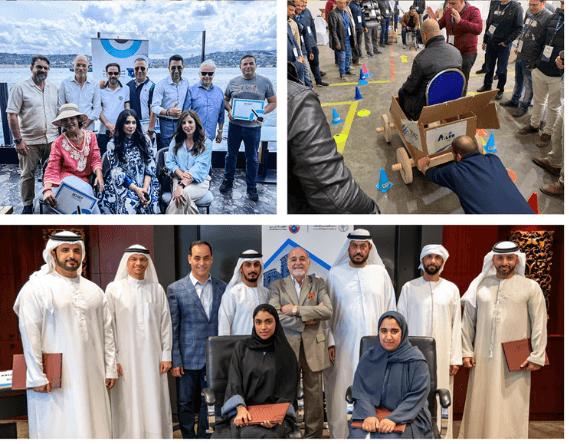
 ادارة المشاريع و العقود courses
يقدم قسم إدارة المشاريع والعقود برامج تدريبية متخصصة تركز على تخطيط المشاريع، إدارة العقود، التحكم في التكاليف، وإدارة المخاطر. تساعد هذه الدورات المؤسسات على تنفيذ المشاريع بكفاءة، تحسين الأداء، وضمان الالتزام بالجداول الزمنية والمعايير التعاقدية وفق أفضل الممارسات العالمية
226
Courses
Project and Contract Management – Leading projects professionally and managing risks intelligently
What this sector is about and why it matters to your team.
The Procurement and Supply Chain Management section is a vital training area for any organization, directly contributing to improved operational efficiency, cost reduction, and ensuring a smooth, sustainable flow of materials and services. Investing in supply chain management has become a strategic necessity for companies seeking to enhance competitiveness and achieve sustainable growth.
These training programs equip employees and managers with the skills needed to understand the importance of supply chain management and implement best practices across all stages, from planning, purchasing, storage, transportation, to final delivery to customers.
What Is Supply Chain Management?
Supply chain management focuses on overseeing all activities related to sourcing products and services, from suppliers to end customers. It includes managing key supply chain elements such as inventory, transportation, distribution, and supplier relationships. By mastering this discipline, companies can achieve supply chain integration, ensure sustainable performance, and maximize efficiency.
Key Stages of Supply Chain Management
Effective supply chain management relies on several critical stages:
- Planning: Identifying needs and developing procurement and supply strategies.
- Procurement and Sourcing: Contracting with suppliers and managing agreements.
- Production and Storage: Monitoring inventory and ensuring timely availability of materials.
- Distribution and Transportation: Delivering products to customers efficiently.
- Analysis and Continuous Improvement: Measuring performance and applying best practices.
Following these stages ensures sustainable supply chain operations, reduces waste, and optimizes resource utilization.
Supply Chain Management Training Programs
Professional supply chain training provides practical skills for both employees and managers, focusing on:
- Digital Supply Chain: Leveraging technology and digital systems to enhance efficiency.
- Communication and Coordination: Improving collaboration among all supply chain stakeholders.
- Planning, Procurement, Storage, and Distribution Skills: Developing operational excellence across the supply chain.
- Sustainable Supply Chain Strategies: Implementing environmentally and socially responsible practices.
Benefits of Procurement and Supply Chain Management Training
Investing in this section offers significant advantages for businesses, including:
- Enhanced operational efficiency and reduced operational costs.
- Improved forecasting and strategic planning capabilities.
- Building a resilient and flexible supply network capable of handling challenges.
- Better decision-making through data and performance analysis.
- Increased customer satisfaction by ensuring timely delivery of products and services.
Strategic Importance of Supply Chain Management Programs
Investing in procurement and supply chain management training is more than just professional development—it is a strategic step to build teams capable of achieving full supply chain integration and improving organizational performance sustainably.
Through these professional programs, companies can enhance employee skills, streamline internal processes, and elevate overall organizational performance in alignment with global best practices
What We Help You Solve
Real business challenges this sector prepares you to handle.

Poor communication between the parties
Poor communication among stakeholders leads to misunderstandings and conflicting decisions.

Project Scope Management
Uncontrolled expansion of project scope leads to increased costs and delayed delivery.

Budget exceeded
Cost overruns are a common challenge caused by inaccurate estimation or unexpected changes during project execution.

Project implementation delays
Many projects experience delays due to poor planning, resource shortages, or coordination issues between stakeholders.
Who Should Attend
This sector is designed for professionals at every stage of their career.
Project managers
To develop skills in planning, implementation, and managing work teams
Contracts and Procurement Managers
To improve contract management and ensure compliance with legal requirements
Employees and job seekers
To acquire required skills and increase employment and promotion opportunities.
Engineers and consultants
To acquire skills in managing large projects and dealing with challenges.
Frequently Asked Questions
Common questions about this sector.
Contract management is the process of preparing, reviewing, and executing contracts to ensure compliance with terms and minimize legal and financial risks.
Its tasks include:
Reviewing legal terms
Negotiating with suppliers and clients
Monitoring contract execution
Resolving contractual disputes
-Benefits for companies: Reduced risk and improved business relationships.
-Professional benefits: A highly sought-after specialization in large companies, leading to excellent career opportunities.