Boost logo
facebookinstagramlinkedIntwitteryoutube

course | Certificate in Financial Control

Looking to excel in financial control? Certificate in Financial Control in UAE offers applied tools, case studies, and certification.

FNBN-1853 | Certificate in Financial Control

Course Sector : Finance, Accounting and Banking

Duration
Date from
Date to Course Venue Course fees Book a course
4 Days14/09/202617/09/2026Dubai$4,250 Book now
4 Days16/11/202619/11/2026Geneva$5,950 Book now
4 Days17/01/202720/01/2027Dammam$4,250 Book now
4 Days23/05/202726/05/2027Riyadh$4,250 Book now

Course Introduction

This comprehensive training program is designed to provide you with a deep understanding of the importance of financial internal controls and how they contribute to organizational success. Over the duration of this course, you will explore topics such as compliance with policies, laws, and regulations, safeguarding of assets, efficient resource utilization, risk assessment, and control enhancement. You will also learn about information reliability, communication, and monitoring within internal controls, as well as the implementation of cost control measures and zero-based budgeting techniques. By the end of this course, you will have the knowledge and skills to identify internal control issues, propose control enhancements, and effectively manage financial risks.
 

The course will begin with an introduction to internal controls, highlighting their definition, importance, and the parties responsible for their implementation. You will gain insights into the components and categories of internal controls, as well as the COSO Internal Control-Integrated Framework. As the course progresses, you will delve into specific topics such as financial controls, information and communication, asset management, implementation of controls for efficient resource utilization, risk management, and cost control techniques.


Course objective

  • Understand the importance of financial internal controls and compliance with policies, plans, procedures, laws, regulations & contracts.
  • Learn the actions and control activities used to manage operational and financial risks.
  • Recognize the significance of information, communication, and monitoring in internal controls.
  • Know and management Information System Controls and ensure reliability and integrity of information.
  • Identify controls applicable for safeguarding of assets.
  • Utilize internal control to ensure economical and efficient use of resources.
  • Identify internal control issues, investigate, evaluate risks.
  • Learn how to work with the management team to develop better financial targets to measure performance
  • Understand the different tools and techniques available to you to control and remove cost from the organization.

Course audience

  • Executives who have strategic financial oversight of their unit or organization
  • Finance-related roles
  • Accounting-related roles
  • Marketing Managers
  • Financial managers
  • Affiliate marketing leaders
  • Career Enhancers
  • Digital Innovators
  • Business owner / Entrepreneur
  • General / Senior Accountant
  • Business Project Manager
  • Bank Branch Manager
  • Structured Finance Senior Relationship Manager
  • Finance Transformation Manager
  • Risk Manager
  • Investment Analyst

Course Outline | Day 01

Introduction To Internal Controls
 

  • Definition of internal controls
  • Importance of internal controls
  • Parties responsible for internal controls
  • What Internal Controls Can and Cannot Do
  • The 5 components of internal control
  • Internal Control Categories
  • Internal Control Procedures
  • COSO Internal Control-Integrated Framework
  • Governance, Risk, Compliance, Controls, and Audit
  • Compliance with policies, plans, procedures, laws, regulations & contracts


Financial Controls
 

  • Controlling access to financial assets
  • Controls on financial reporting
  • Controls through budgets
  • Controls through management reporting
  • Implementing financial controls through policies and procedures
  • Ensuring programs are met through internal financial controls

Course Outline | Day 02

Information And Communication
 

  • Internal Control to ensure the reliability and integrity of information
  • Types of information and communication
  • Methods used to disseminate information
  • Assessing information and communication
  • Effective communication flow
  • Information System Controls: Safeguarding Data
  • Safeguarding data
  • Access to communication systems
  • Security reports
  • Controlling access to the building
  • Controls on maintenance and repairs
  • Safety and security controls
  • Legal implications of some safety measures
  • Required reporting in administration
     
Internal Controls For the Assets Management Process
 
  • Types of fraud relating to assets
  • Key risk areas of asset management
  • Key control activities for relevant sub-processes:
  • Asset requisition and acquisition
  • Capitalization
  • Safeguarding and accountability
  • Transfer and disposal
  • Developing an asset management controls checklist

Course Outline | Day 03

Implementing Controls For The Business
 

  • Importance of Internal Controls in the Efficient Use of Resources
  • Reporting in Business Cycles
  • Approvals and Authorizations in Business Cycles
  • Controls in the purchase and payment cycle
  • Controls in the inventory and costing cycle
  • Controls in the HR and payroll cycle
  • Controls in the sales and collection cycle
  • Controls in the fixed assets life cycle
     

Managing Internal Control Risks And Issues
 

  • Identifying Internal Control Risks and Related Issues
  • Investigating and Assessing Internal Control Risks and Related Issues
  • Monitoring Risks
  • Different monitoring mechanisms
  • Characteristics of effective monitoring
  • Performing Risk Assessments and Risk Reviews
  • Risk-Management Framework

Course Outline | Day 04

Enhancing Cost Control In The Organization
The 

  • 10 most commonly implemented control activities
  • Classification of control activities
  • Characteristics of an effective internal control
  • Design effectiveness vs. operating effectiveness of controls
  • Assessing design and operating effectiveness
  • Data analytics and data visualization


Budgeting And Cost Control
 

  • Why traditional budgeting doesn’t work
  • How to build a Zero-Based Budget
  • ZBB and ABC are working together
  • Understanding the true cost of products and services.
  • 80% of profit comes from 20% of customers …and what to do about it.
  • Beyond budgeting… using rolling forecasts instead
Course Certificates
BOOST Logo

BOOST’s Professional Attendance Certificate “BPAC”

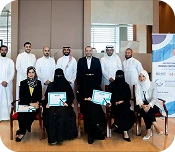
BPAC is always given to the delegates after completing the training course,and depends on their attendance of the program at a rate of no less than 80%,besides their active participation and engagement during the program sessions.

Request a Quote
Sectors

Upcoming Courses In This Sector

Follow us
facebook iconinstagram iconlinkedIn icontwitter icon
BOOST Logo

Since 2001, we’ve been at the forefront of professional training in the Middle East — shaping the future of learning and development one success story at a time. With a vision rooted in innovation and excellence, we help individuals, teams, and organizations reach their highest potential through integrated, future-ready training solutions. Our comprehensive programs combine global best practices with local insights, empowering people to grow, lead, and make a lasting impact in their industries.

Our whats app Whatssapp

🔗 Quick Links

Boost Abroad logoSparks logo

Sister Companies to Boost Consulting and Training

most trending

And Recommended Training Courses
Training Image 1

We believe in progress for everyone.

We helped more than 10,000 clients over 20 countries on 4 continents in boosting their knowledge, skills, and careers.

Copy rights

Boost Training And Consulting All Copyrights Reserved 2026