




course | API RP 576: Inspection of Pressure-Relieving Devices
Master the Inspection of Pressure-Relieving Devices with our 2026 expert-led course. Learn PRV/PSV testing, maintenance, and API 576 compliance. Boost your team's technical integrity and ensure industrial safety. Request your corporate training quote today
MEC-1160 | API RP 576: Inspection of Pressure-Relieving Devices
Course Sector : Mechanical Engineering

| Duration | Date from | Date to | Course Venue | Course fees | Book a course |
|---|---|---|---|---|---|
| 5 Days | 07/12/2026 | 11/12/2026 | Abu Dhabi | $4,250 | Book now |
| 5 Days | 14/03/2027 | 18/03/2027 | Doha | $4,250 | Book now |
| 5 Days | 19/04/2027 | 23/04/2027 | Dubai | $4,250 | Book now |
| 5 Days | 13/09/2027 | 17/09/2027 | Vienna | $4,950 | Book now |
Course Introduction
Inspection of Pressure-Relieving Devices Course
A Professional Training Program from Boost for Vocational Training and Qualification
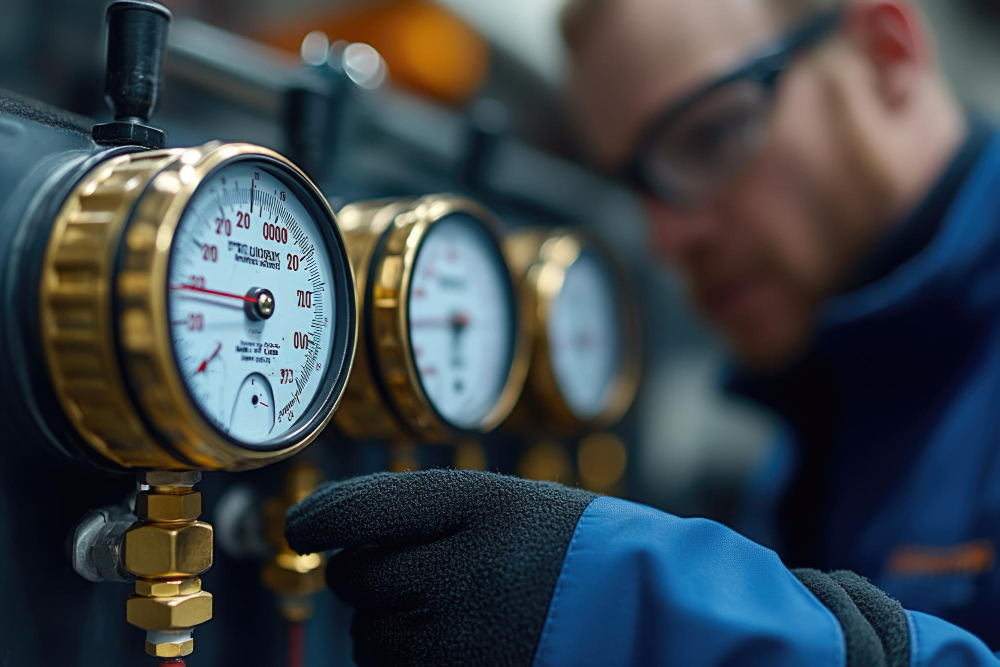
Pressure-relieving devices (PRVs/PSVs) are the final and most critical line of defense against disasters in industrial facilities. Any failure in their performance can lead to catastrophic results.
Through the Inspection of Pressure-Relieving Devices course provided by Boost, we transition trainees from surface-level knowledge to full professional mastery in inspecting, testing, and maintaining these devices according to the latest 2026 international standards.
Why Choose Technical Training for Inspection of Pressure-Relieving Devices with "Boost"? You will learn:
-
Compliance with Global Standards: The course focuses deeply on API 576 and ASME Section VIII standards, ensuring your team operates according to international safety codes.
-
Prevention Before Repair: We teach your team how to detect corrosion, chemical erosion, and blockages before they lead to device failure.
-
Operational Test Simulation: Hands-on training on how to perform "Pop Tests" and calibrate set and reseating pressures with extreme precision.
-
Device Lifecycle Management: From installation and periodic testing to documentation and issuing certificates of validity.
Features of the Inspection of Pressure-Relieving Devices Course from Boost
The team will gain many advantages upon completing the training program:
-
Industry Experts: Trainers are internationally certified inspection engineers (API Certified) with field experience in major refineries and power plants.
-
Focus on Return on Investment ($ROI$): Reducing downtime and extending the lifespan of equipment through proper inspection.
-
Modern Inspection Tools: Training on using digital testing devices and ultrasonic techniques to detect hidden flaws.
Benefits of the Course for Your Company
-
Ensuring compliance with all governmental and international inspections without violations.
-
Reducing the probability of explosive accidents and hazardous material leaks to near zero.
-
Transforming the maintenance team from "executors" to "strategic inspectors" capable of making critical decisions regarding equipment safety.
Course objective
- Understand the principles and importance of pressure-relieving devices.
- Identify different types of pressure-relieving devices and their components.
- Conduct inspections according to API RP 576 guidelines.
- Recognize and resolve common issues associated with pressure-relieving devices.
- Implement effective maintenance strategies to ensure compliance and safety.
Course audience
- Engineers and technicians involved in the design, operation, and maintenance of pressure-relieving devices.
- Safety and compliance professionals in the oil and gas, chemical, and petrochemical industries.
- Quality assurance and inspection personnel.
Course Outline | 01 DAY ONE
Introduction to Pressure-Relieving Devices
Session 1: Overview of Pressure-Relieving Devices
- Definition and purpose of pressure-relieving devices.
- Importance in safety and regulatory compliance.
Session 2: Types of Pressure-Relieving Devices
- Different types: safety valves, relief valves, and rupture disks.
- Discussion of design features and operational principles.
Session 3: Regulatory Standards and Guidelines
- Overview of API RP 576 and its relevance.
- Understanding other relevant standards (ASME, NFPA).
Session 4: Device Components and Functionality
- Detailed examination of components: seats, springs, and nozzles.
- Operational mechanics of pressure-relieving devices.
Session 5: Safety Considerations
- Safety implications of improperly functioning devices.
- Case studies of incidents due to device failures.
Course Outline | 02 DAY TWO
Inspection Procedures and Techniques
Session 1: API RP 576 Inspection Requirements
- Overview of the inspection process outlined in API RP 576.
- Understanding inspection intervals and documentation.
Session 2: Visual Inspection Techniques
- Techniques for conducting visual inspections.
- Identifying signs of wear, corrosion, and other defects.
Session 3: Functional Testing of Pressure-Relieving Devices
- Procedures for performing functional tests.
- Equipment and tools required for testing.
Session 4: Calibration and Performance Testing
- Importance of calibration in maintaining device accuracy.
- Techniques for verifying performance against specifications.
Session 5: Hands-On Inspection Practice
- Participants will conduct visual inspections on sample devices.
- Discussion of findings and identification of potential issues.
Course Outline | 03 DAY THREE
Troubleshooting and Maintenance
Session 1: Common Issues with Pressure-Relieving Devices
- Discussion of typical problems and failure modes.
- Analyzing root causes of failures.
Session 2: Troubleshooting Techniques
- Approaches for diagnosing issues.
- Case studies on effective troubleshooting strategies.
Session 3: Maintenance Strategies and Best Practices
- Developing maintenance plans for pressure-relieving devices.
- Importance of preventive maintenance.
Session 4: Regulatory Compliance and Record Keeping
- Requirements for maintaining inspection records.
- Documentation practices for compliance audits.
Session 5: Group Activity: Troubleshooting Scenarios
- Team-based exercises to analyze and resolve hypothetical issues.
- Presentations of group findings and solutions.
Course Outline | 04 DAY FOUR
Advanced Topics in Pressure-Relieving Devices
Session 1: Recent Developments and Technologies
- Overview of advancements in pressure-relieving device technology.
- Emerging trends in inspection techniques.
Session 2: Risk Assessment and Management
- Understanding risk assessment in relation to pressure-relieving devices.
- Methods for conducting risk assessments.
Session 3: Integration with Safety Management Systems
- Role of pressure-relieving devices in overall safety management.
- Best practices for integrating inspection into safety programs.
Session 4: Regulatory Updates and Industry Trends
- Discussion of recent changes to regulations impacting pressure-relieving devices.
- Implications for compliance and operational practices.
Session 5: Case Studies and Lessons Learned
- Review of real-world incidents and the lessons learned.
- Group discussions on improving practices based on case studies.
Course Outline | 05 DAY FIVE
Final Assessments and Course Wrap-Up
Session 1: Review of Key Concepts
- Recap of critical information covered throughout the course.
- Q&A session for clarification of concepts.
Session 2: Final Assessment
- Written or practical assessment to evaluate participant understanding.
- Feedback on performance and areas for improvement.
Session 3: Developing an Action Plan
- Participants will create a personal action plan for applying course knowledge.
- Sharing of action plans and group discussion.
BOOST’s Professional Attendance Certificate “BPAC”
BPAC is always given to the delegates after completing the training course,and depends on their attendance of the program at a rate of no less than 80%,besides their active participation and engagement during the program sessions.


Since 2001, we’ve been at the forefront of professional training in the Middle East — shaping the future of learning and development one success story at a time. With a vision rooted in innovation and excellence, we help individuals, teams, and organizations reach their highest potential through integrated, future-ready training solutions. Our comprehensive programs combine global best practices with local insights, empowering people to grow, lead, and make a lasting impact in their industries.

🔗 Quick Links


Sister Companies to Boost Consulting and Training
most trending
And Recommended Training Courses
We believe in progress for everyone.
We helped more than 10,000 clients over 20 countries on 4 continents in boosting their knowledge, skills, and careers.

Boost Training And Consulting All Copyrights Reserved 2026