Course Introduction
This training program is designed to equip participants with the knowledge and skills necessary to implement operational excellence principles within their organizations. Over the course of five days, participants will explore various methodologies, including Lean and Six Sigma, learn about process mapping and redesign, and understand the importance of change management and sustainability. By fostering a culture of continuous improvement and leveraging technology and innovation, participants will be prepared to lead their organizations towards achieving operational excellence.
Course objective
- Grasp the principles, elements, and stages of operational excellence and their significance in modern organizations.
- Analyze operational expenses and perform feasibility studies related to operational excellence initiatives.
- Utilize tools like McKinsey’s strategy alignment and execution tools, balanced scorecards, and strategy maps to link strategy with operations management.
- Employ process mapping techniques to identify bottlenecks and inefficiencies and apply principles for process improvement and redesign.
- Apply Six Sigma tools and methodologies (DMAIC) to analyze and improve processes effectively.
- Understand and implement Lean principles and tools to enhance operational efficiency and reduce waste.
- Create a culture of continuous improvement within the organization, utilizing PDCA cycles and Kaizen events.
- Develop strategies for successful change management, ensuring stakeholder engagement and effective communication during transitions.
- Recognize the importance of sustainability in operations and develop strategies for sustainable operational practices.
- Identify and utilize emerging technologies to drive efficiency and innovation in operations
Course audience
- Operations Managers and professionals.
- Administrative Professionals.
- Team Leaders and Supervisors.
- Quality Assurance Professionals.
- Anyone Interested in Operational Excellence
Course Outline | 01 DAY ONE
The Concept of Operational Excellence Of Operations
- Principles and elements of operational excellence of operations.
- Stages of operational excellence of operations.
- Feasibility study of operational excellence (operational expenses)
- Strategy alignment and execution tools-McKinsey.
- Balanced scorecard, strategy map.
- Linking strategy and operations management.
- Dynamics of the" Golden Triangle " of the Enterprise people, processes and systems
- The role of operating expenses in good corporate governance
Course Outline | 02 DAY TWO
Process Mapping and Redesign:
- Process Mapping Techniques
- Tools for process mapping (flowcharts, SIPOC)
- Identifying bottlenecks and inefficiencies
- Process Redesign Principles
- Techniques for process improvement and redesign
- Group Activity: Create a process map for a selected business process
- Six Sigma Fundamentals:
- Introduction to Six Sigma
- Overview of Six Sigma methodology (DMAIC: Define, Measure, Analyze, Improve, Control)
- The role of data and statistical analysis in decision-making
- Applying Six Sigma Tools
- Fishbone diagram, Pareto analysis, and control charts
- Practical Exercise: Analyzing a process using Six Sigma tools.
Course Outline | 03 DAY THREE
Lean Thinking and Methodologies:
- Understanding Lean Principles
- Overview of Lean methodologies and tools
- Value stream mapping and waste reduction techniques
- Implementing Lean in Operations
- Steps to implement Lean practices effectively
- Case Study: Successful Lean transformations in organizations.
- Developing Continuous Improvement Culture:
- Creating a Culture of Continuous Improvement
- Employee engagement and empowerment strategies
- Tools for Continuous Improvement
- PDCA (Plan-Do-Check-Act) cycle and Kaizen events
- Group Discussion: Strategies to encourage continuous improvement in participants’ organizations
Course Outline | 04 DAY FOUR
Change Management in Operations:
- Understanding Change Management
- The importance of effective change management in operational excellence
- Models of change management (e.g., Kotter’s 8-Step Process)
- Strategies for Successful Change Implementation
- Communication, training, and stakeholder engagement
- Sustainability and Operational Excellence:
- Understanding Sustainability in Operations
- The importance of sustainable practices in operational excellence
- Balancing efficiency with environmental responsibility
- Developing a Sustainable Operations Strategy
- Tools and frameworks for sustainable operational practices
Course Outline | 05 DAY FIVE
Leadership in operational excellence:
- Elements of corporate culture analysis
- Application of a model of organizational change
- Build high-performance teams
- Integrated management systems-quality, environment, safety, and health
- Enhance the efficiency of operations, reduce costs, and enhance operational agility
- Technology and Innovation in Operations:
- Role of Technology in Operational Excellence
- Overview of emerging technologies (IoT, AI, automation)
- Utilizing technology to drive efficiency
- Innovative Practices in Operations
- Lean digital transformation and Industry 4.0
- Practical Exercise: Identify technology solutions for operational challenges.
Course Certificates

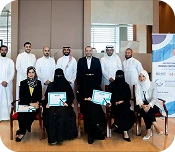
BOOST’s Professional Attendance Certificate “BPAC”
BPAC is always given to the delegates after completing the training course,and depends on their attendance of the program at a rate of no less than 80%,besides their active participation and engagement during the program sessions.
Request a Quote